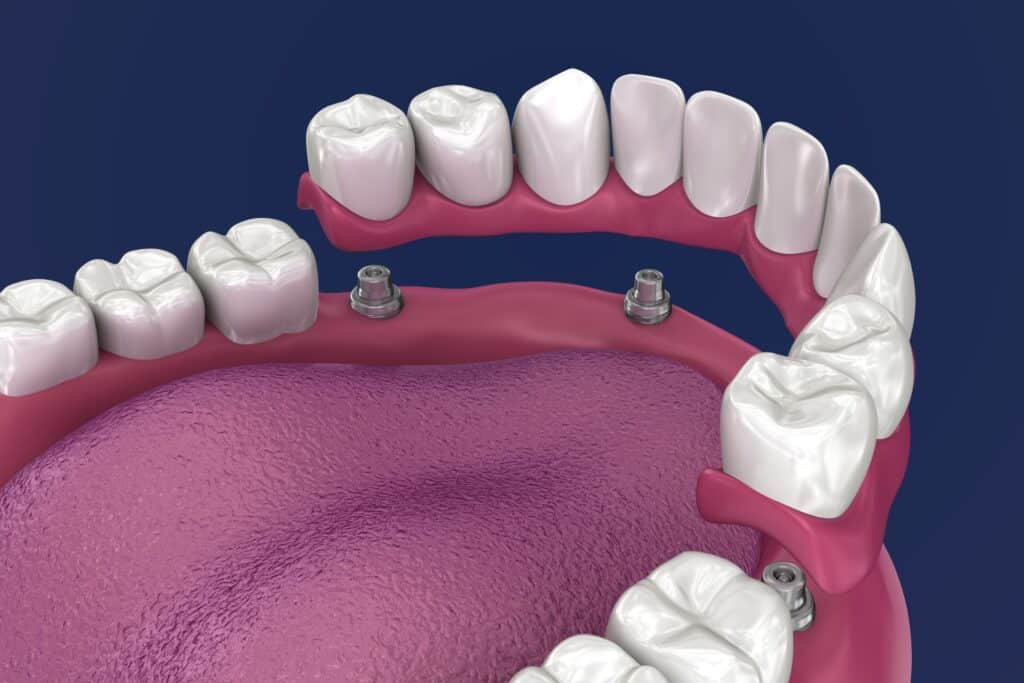
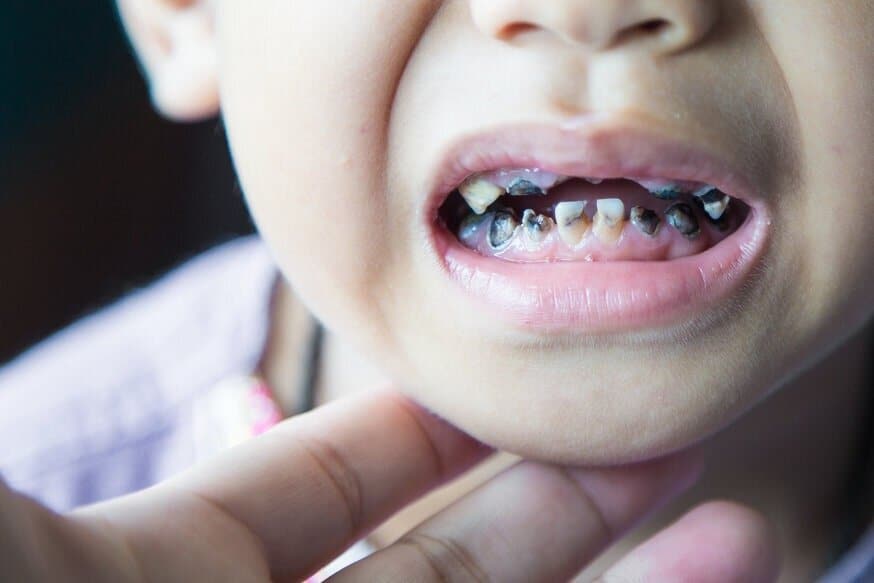
Oral surgery covers a wider range of procedures than most people realize. Tooth extractions, wisdom tooth removal, implant placement, bone grafting, and surgical treatment for gum disease all fall under this category. What they share is a predictable pre-operative and post-operative window where what the patient does, or doesn’t do, has a real effect on how the procedure goes and how recovery unfolds.
Most complications after oral surgery are not random. They’re preventable. Here’s what preparation actually looks like on both sides of the appointment.
The Week Before: Setting Up for a Smooth Procedure
Get the full picture from your dental team before the day arrives. Every patient’s situation is different. The pre-operative instructions for a single tooth extraction under local anaesthetic are not the same as those for a surgical implant placement under sedation. Before the appointment, confirm with the Wedgewood Dental team exactly what applies to your case. This conversation covers things like fasting requirements, medication adjustments, and what to arrange in terms of transport.
Review your medications. Several commonly used medications and supplements affect bleeding and healing. Blood thinners, aspirin, anti-inflammatory drugs like ibuprofen, and certain supplements including fish oil, vitamin E, and high-dose garlic can thin the blood and increase post-operative bleeding. Some patients are asked to pause these before surgery. Some medications, however, cannot be paused without physician approval. Do not stop prescription medications without consulting your prescribing doctor first. The dental team needs to know what you’re taking to give accurate guidance.
Arrange transportation if sedation is involved. Patients receiving oral or IV sedation cannot drive themselves home. This isn’t a suggestion. Sedation affects coordination and judgment for several hours after the procedure, and driving in that state is unsafe regardless of how awake the patient feels. Arrange a ride before the appointment, not the morning of.
Stock the house beforehand. Post-operative eating is limited to soft foods for the first several days after most oral surgery. Stocking up before the procedure means one less errand to manage when you’re sore and tired afterward. Good options include yogurt, soft-cooked eggs, mashed potatoes, soup, smoothies, apple sauce, and soft fish. Avoid buying crunchy, chewy, or spicy foods that will need to be avoided anyway.
Don’t smoke in the days before surgery. Smoking reduces blood flow to the tissue and significantly increases the risk of post-operative complications, including dry socket after extractions and implant integration problems after placement. The longer the cessation period before surgery, the better the healing environment.
The Day of the Procedure
Follow fasting instructions exactly. If your procedure involves sedation, eating or drinking before the appointment creates a risk of aspiration during the procedure. The standard instruction is nothing to eat or drink for a certain number of hours beforehand, and this applies to water as well unless the team specifies otherwise.
Wear comfortable, loose-fitting clothing. If sedation will be administered through a vein, avoid tight sleeves. Leave jewelry and contact lenses at home. Come with your questions already in mind; the pre-procedure conversation with Dr. Westmoreland is a good time to raise any remaining concerns.
At Wedgewood Dental, sedation dentistry is available for patients undergoing oral surgery procedures. Patients who have anxiety about surgical procedures can discuss sedation options at their consultation appointment.
The First 24 Hours After Surgery
Bleeding management. Some oozing from the surgical site in the first few hours is normal. Biting gently on a folded gauze pad placed over the site helps manage this. Replace the gauze every 30 to 45 minutes as needed. If bleeding is heavy and doesn’t slow down with consistent gauze pressure after an hour, contact the dental office.
No rinsing, spitting, or using a straw. These actions create negative pressure in the mouth that can dislodge the blood clot forming at the extraction or surgical site. That clot is the foundation of healing. Dry socket, one of the more painful post-operative complications, occurs when the clot is disturbed or lost before the socket has healed. The no-rinse instruction is for the first 24 hours; after that, gentle saltwater rinses are typically recommended.
Ice packs on the face. Applying ice to the outside of the face over the surgical area in 20-minute intervals reduces swelling. Swelling tends to peak at 48 to 72 hours, so beginning ice application promptly makes a meaningful difference. Heat should not be applied during this early window.
Pain management. Over-the-counter pain relief, or any prescription medication provided by the dental team, should be taken consistently in the first 24 to 48 hours rather than waiting until pain becomes severe. Taking it on a schedule, before the local anesthetic wears off completely, is more effective than reactive dosing.
Rest. Physical activity increases blood pressure and heart rate, which can increase bleeding and swelling at the surgical site. The first day calls for minimal activity. Keep the head elevated when resting or sleeping; lying completely flat can increase swelling and throbbing.
Days Two Through Seven: Monitoring Recovery
Most patients find that discomfort peaks in the first two to three days and then reduces steadily. The ability to eat a slightly broader range of soft foods usually improves around day three or four. Continue avoiding hard, crunchy, and chewy foods until the tissue has healed adequately, which the dental team will assess at any follow-up appointment.
Watch for signs that something isn’t healing normally: increasing pain after the third day rather than decreasing, a visible empty socket without a clot, significant swelling that’s worsening rather than reducing, or fever. These are worth calling the office about rather than waiting for the next scheduled appointment.
Oral hygiene continues during recovery, with care. The teeth that aren’t near the surgical site can and should be brushed normally. The surgical area is handled gently, per the instructions provided at the appointment.
Schedule Your Oral Surgery Consultation in Rolla
Dr. Westmoreland and the Wedgewood Dental team handle tooth extractions, implant placements, and surgical procedures at the Rolla dental office at 713 Salem Avenue, Suite A. Hours are Monday, Wednesday, and Thursday from 7:30 am to 3:30 pm.
Call (573) 368-7325 to schedule a consultation, ask questions about an upcoming procedure, or request post-op guidance. New patients are welcome. The $89 new patient special includes an exam and images.