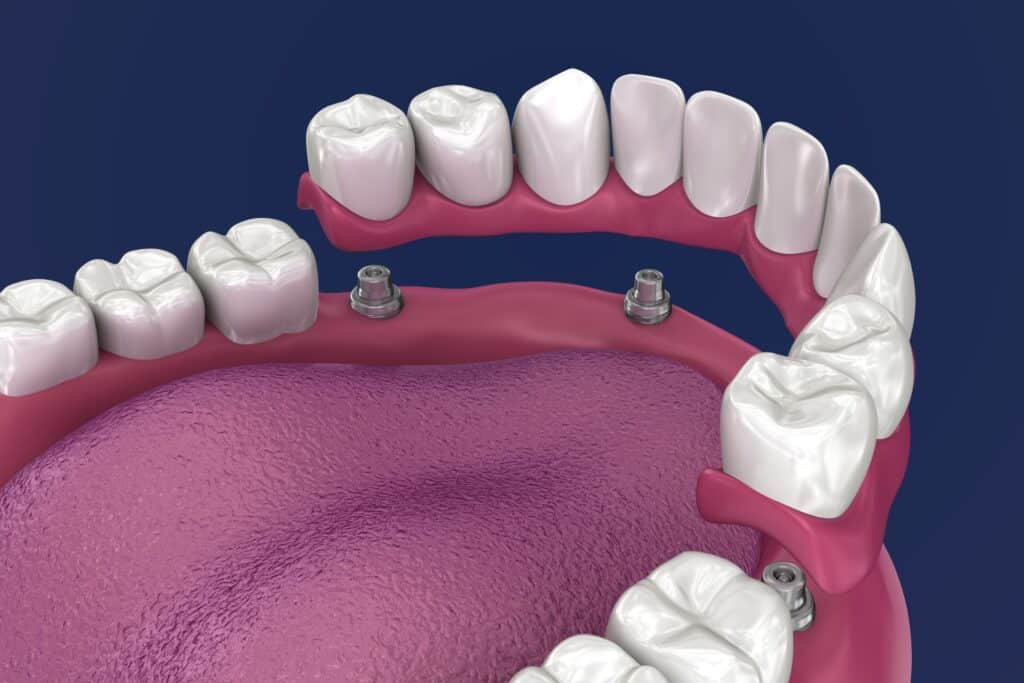
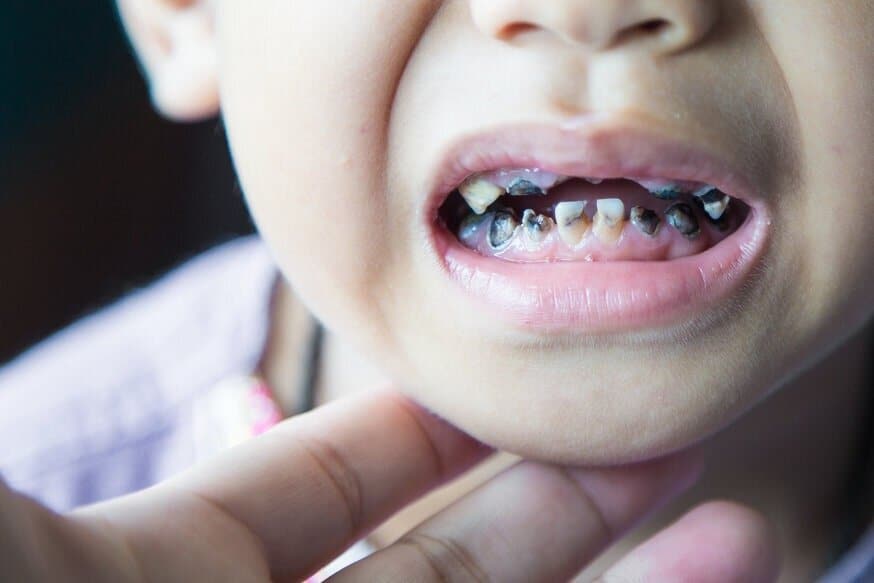
Dental implants have a well-documented success rate, but that rate isn’t 100%. Implants do occasionally fail either early, before they fully integrate with the bone, or later, after years of apparently successful function. When it happens, the immediate question patients have is straightforward: can this be fixed, or does it need to come out?
The answer isn’t uniform. It depends on why the implant failed, how much bone remains, and how long the situation has been developing. Some failing implants can be treated and preserved. Others need to be removed, the site allowed to heal, and the implant replaced once conditions allow. Here’s how that decision gets made.
Two Distinct Types of Failure
The distinction between early failure and late failure isn’t just semantic. It shapes the clinical options available.
Early failure happens before osseointegration is complete, typically within the first three to six months after placement. The implant never fully bonded with the surrounding bone. This can result from infection at the surgical site, inadequate bone volume or density, poor blood supply due to smoking or systemic health factors, or the implant being placed under load before integration was established. An implant that fails early is typically mobile, often tender, and in some cases shows visible signs of infection.
Late failure occurs after the implant has been functioning successfully for months or years. The two most common drivers are peri-implantitis and mechanical overload. Peri-implantitis is an infection around the implant that produces progressive bone loss in the tissue surrounding it, essentially gum disease affecting the implant site. Mechanical overload from grinding, a poorly balanced bite, or a crown that doesn’t distribute force correctly can cause bone loss and implant loosening over time.
Understanding which type is present and what caused it is the starting point for any restoration plan.
When a Failing Implant Can Be Treated Without Removal
Not every implant in trouble needs to come out. There’s a meaningful distinction between an implant that is actively failing and one that has risk factors developing around it that haven’t yet crossed into irreversible bone loss.
Peri-implantitis caught early. When the infection around an implant is identified before significant bone loss has occurred, treatment of the infection can stabilize the site. This typically involves thorough professional cleaning of the implant surface to remove bacterial biofilm, possible surgical debridement of the pocket, and in some cases laser treatment to address bacteria in the tissue. If the bone around the implant remains largely intact, controlling the infection can allow the implant to continue functioning.
Surface contamination without bone loss. An implant surface that has been exposed to bacterial contamination but hasn’t yet produced significant bone loss can sometimes be decontaminated and allowed to re-integrate. This is more common in cases identified at early peri-implantitis stages rather than advanced ones.
Crown or abutment issues, not implant failure. Sometimes what appears to be implant failure is actually a problem with the restoration sitting on top of the implant. A crown that has cracked, an abutment screw that has loosened, or a bite that’s placing excessive force on the restoration can all produce symptoms that feel like implant problems. When the implant post itself remains well-integrated, replacing or adjusting the crown or abutment resolves the issue without any surgical intervention.
At Wedgewood Dental in Rolla, Dr. Westmoreland offers dental implant restoration services for patients who have had implant work performed elsewhere and are experiencing problems with the existing restoration. Not every failing implant needs to be treated by the original provider.
When Removal Is the Necessary Path
Some implants have failed beyond the point where treatment can preserve them. Advanced bone loss from untreated peri-implantitis, an implant that is fully mobile in the socket, or an implant that fractured under mechanical load are situations where removal is the appropriate step.
Removal of a failed implant is a surgical procedure, but not necessarily a complex one depending on the degree of bone loss around it. An implant that has lost significant surrounding bone may actually be easier to remove than one well-anchored by dense bone on all sides. After removal, the site requires time to heal, and the bone needs to be assessed before replacement is planned.
Bone grafting is often part of the next step. Peri-implantitis destroys bone, and the volume and quality of remaining bone after an infected implant is removed may not be sufficient to support a new implant without rebuilding the site first. Grafting adds healing time to the overall process, but skipping it and placing a new implant into inadequate bone creates conditions for another failure.
Replacing the Implant After Failure
A failed implant doesn’t necessarily mean implants are off the table permanently. Many patients who lose an implant go on to have a successful replacement once the underlying cause has been addressed and the site has healed adequately.
The cause-and-effect relationship is important here. If an implant failed because of uncontrolled gum disease, placing a new implant without addressing the periodontal health first creates conditions for the same outcome. Wedgewood Dental offers periodontal disease treatment as part of the broader services available, which means periodontal health can be assessed and managed in the same practice before implant replacement is planned.
For patients who have lost multiple teeth in the process, multiple dental implant options or full-arch solutions may factor into the replacement discussion depending on what remaining teeth are present.
Talk to Wedgewood Dental Before It Becomes a Bigger Problem
A dental implant that feels loose, tender, or different than it used to isn’t something to wait out. The sooner a problem is assessed, the more options are available. Dr. Westmoreland sees patients at the Rolla office Monday, Wednesday, and Thursday; call our dentist in Rolla, MO (573) 368-7325 to get on the schedule.
For Salem-area patients, the Salem office is open Tuesday and Friday at (573) 729-7701. Insurance accepted; payment plans available.