
Have you ever felt a sharp pain when biting down, only for it to disappear moments later? Does the discomfort seem unpredictable, making it difficult to pinpoint which tooth is causing the problem? If so, you may be experiencing cracked tooth syndrome.
At Wedgewood Dental, we often see patients who describe tooth pain that “comes and goes.” Because the symptoms are inconsistent, many people delay treatment. However, a cracked tooth can worsen over time if not properly evaluated. If you are looking for a trusted Dentist Rolla residents rely on, understanding this condition can help you seek care before the issue becomes more serious.
What Is Cracked Tooth Syndrome?
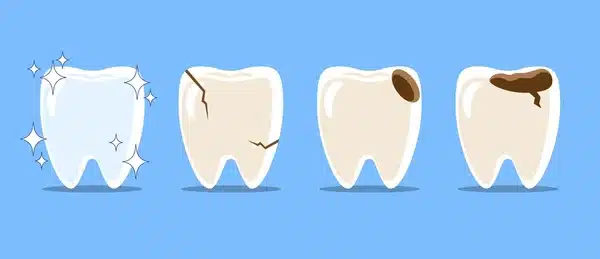
Cracked tooth syndrome refers to a small, often invisible crack in a tooth that causes intermittent pain. Unlike a tooth that is fully broken, a cracked tooth may appear normal during a routine glance.
The crack may not be large enough to show up clearly on an X-ray, which can make diagnosis more challenging. However, the symptoms can be very real and frustrating.
The key characteristic of cracked tooth syndrome is pain that is inconsistent. It may hurt when biting down but feel fine moments later.
Why Does the Pain Come and Go?
The reason pain from a cracked tooth can feel unpredictable has to do with pressure and movement.
When you bite down, the crack may slightly expand under pressure. This movement irritates the inner pulp of the tooth, where nerves are located. When you release your bite, the crack closes again, reducing pressure on the nerve.
This repeated expansion and contraction explains why the discomfort may:
- Appear suddenly
- Disappear quickly
- Return during chewing
- Feel sharp rather than dull
Cold temperatures may also trigger discomfort because the crack allows temperature changes to reach deeper layers of the tooth.
Common Causes of Cracked Teeth
Teeth are strong, but they are not indestructible. Several factors can contribute to the development of cracks.
Teeth Grinding or Clenching
Grinding, especially at night, places significant pressure on teeth. Over time, this stress can create tiny fractures.
Chewing Hard Foods
Biting into ice, hard candy, or unpopped popcorn kernels can cause stress cracks.
Large Fillings
Teeth with large fillings may have weakened structure, making them more susceptible to cracking.
Trauma
A blow to the face or jaw can cause a crack, even if the tooth does not visibly break.
If you are unsure whether grinding may be contributing, a Rolla Dentist can evaluate wear patterns and recommend protective options such as a nightguard.
Symptoms to Watch For
Cracked tooth syndrome often presents with subtle but specific symptoms.
- Pain when biting or chewing
- Sensitivity to cold
- Discomfort that is hard to localize
- Pain that disappears when pressure is removed
- Occasional lingering sensitivity
Because the symptoms are inconsistent, patients sometimes assume the problem has resolved, only for it to return later.
Why Early Diagnosis Matters
Small cracks can worsen over time. Continued pressure may cause the crack to deepen, potentially reaching the pulp of the tooth.
If left untreated, a cracked tooth may lead to:
- Infection
- Severe pain
- Need for root canal treatment
- Tooth fracture that cannot be repaired
Early evaluation helps preserve the tooth and prevent more complex treatment.
How Is Cracked Tooth Syndrome Diagnosed?
Diagnosing a cracked tooth requires a careful clinical examination. Since cracks may not appear clearly on X-rays, your dentist may use:
- Bite tests to reproduce the pain
- Magnification and special lighting
- Gentle probing around the tooth
- Imaging to rule out other causes
At Wedgewood Dental, we take time to listen to your description of the symptoms, as patient input is often crucial in identifying the affected tooth.
Treatment Options
Treatment depends on the severity and depth of the crack.
Dental Crown
If the crack has not reached the pulp, placing a crown can protect the tooth and prevent further spreading. The crown holds the tooth together and redistributes chewing forces.
Root Canal Therapy
If the pulp becomes inflamed or infected, root canal treatment may be necessary before placing a crown.
Extraction
In severe cases where the crack extends below the gumline, the tooth may not be salvageable and may need removal. Fortunately, early treatment often prevents this outcome.
Can Cracked Teeth Be Prevented?
While not all cracks can be avoided, certain habits reduce risk.
- Avoid chewing ice or hard objects
- Wear a nightguard if you grind your teeth
- Address bite issues early
- Maintain regular dental visits
Routine checkups allow small issues to be identified before they become painful.
Do Not Ignore Intermittent Tooth Pain
Because cracked tooth syndrome often causes pain that comes and goes, many patients delay seeking care. However, intermittent pain is still a warning sign.
If you notice sharp discomfort when biting or sensitivity that seems inconsistent, it is important to schedule an evaluation.
Contact Wedgewood Dental at (573) 368-7325 to schedule an appointment. A trusted Dentist Rolla patients rely on can examine your symptoms, determine whether a crack is present, and recommend the right treatment to restore comfort and protect your smile.
If you experience sudden severe tooth pain or suspect a cracked tooth has worsened, our emergency dentistry services are available to provide prompt evaluation and relief.
