One of the hardest conversations in dentistry is telling a patient that a tooth cannot be saved. Most dentists would rather restore a tooth than extract it, a natural tooth, when it can be kept healthy, functions better and costs less to maintain over time than any replacement. But there is a point where the clinical picture tips in the other direction, and keeping a tooth becomes more of a problem than a solution.
At Wedgewood Dental in Rolla and Salem, MO, Dr. Linda K. Westmoreland takes a conservative approach to treatment planning. Extraction is not the first answer, but it is sometimes the right one. Understanding how that decision gets made helps patients walk into the conversation with a clearer picture of what to expect.
The Default Position: Save the Tooth If Possible
Dentists default toward preservation for practical reasons. A natural tooth root stimulates the jawbone around it with every bite, which maintains bone density in that area. When a tooth is removed and not replaced, the bone begins to resorb. An implant can restore the stimulation, but it requires surgery and adds to the overall treatment cost and timeline. A restored natural tooth, when it is truly viable, avoids all of that.
The question is what “truly viable” means in practice.
Factors That Determine Whether a Tooth Can Be Restored
How Much Tooth Structure Remains
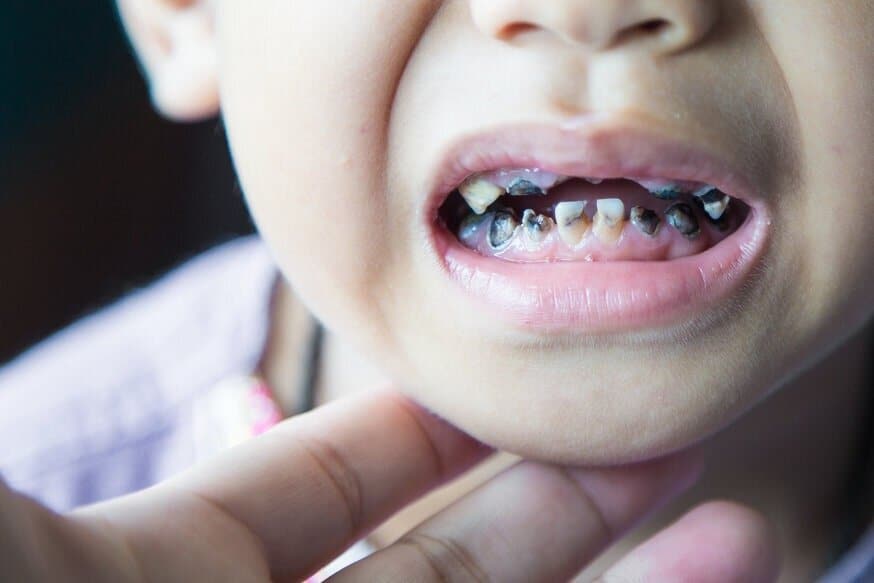
A tooth needs enough remaining structure above the gumline to support a restoration. When decay, fracture, or erosion has removed so much of the tooth that there is not enough left to bond or build onto, restoration becomes mechanically impractical. In some cases, a build-up procedure can add back enough structure to allow a crown. In others, the remaining walls are too thin to hold any restoration reliably.
The threshold is a clinical judgment based on what is actually present after damaged tissue is removed. X-rays show bone levels and root integrity, but the extent of coronal damage is often assessed directly in the chair.
The Condition of the Root
A tooth that has lost its crown through fracture or decay may still be restorable if the root is intact, well-seated in bone, and free of infection that has not responded to treatment. Root canal therapy can address an infected or inflamed pulp, and a post and crown can restore the visible tooth on top of a treated root.
When the root itself is fractured vertically, the situation changes. A vertical root fracture runs down the length of the root rather than across it. Bacteria penetrate the fracture, causing infection that spreads along the length of the root and into the surrounding bone. This type of fracture cannot be repaired. Extraction is the standard recommendation because no restoration can seal and stabilize a root split lengthwise.
Whether the Fracture Extends Below the Bone Level
A crack or fracture that extends below the level of the supporting bone presents a different problem. Even if the root itself is intact, a restoration cannot adequately seal a margin that sits below the bone level. The area becomes inaccessible for cleaning, and bacterial recolonization is ongoing. This is one of the more common reasons a tooth that appears saveable on imaging turns out not to be once the full extent of the damage is assessed clinically.
The Status of the Surrounding Bone
A tooth with severe bone loss from advanced periodontal disease may have insufficient bone support to remain functional over time. If the bone that holds the tooth in its socket has receded to the point where the tooth is mobile, and the remaining attachment is minimal, restoration of the tooth’s crown does not address the underlying problem. In these situations, extraction followed by dental implant placement in Rolla after bone grafting, if needed, is often the more realistic long-term plan.
Response to Previous Treatment
A tooth that has undergone multiple failed restorations, or one that has been treated for the same infection repeatedly without sustained resolution, raises the question of whether continued treatment is likely to succeed. At some point, the accumulation of failed attempts represents a cost, in time, money, and adjacent bone health, that outweighs what can realistically be gained from another attempt.
This does not apply to every tooth that has had more than one restoration. It applies to specific teeth where there is a documented pattern of reinfection or structural failure that has not resolved with treatment.
The Cost-Benefit Consideration
Dentists also consider the full picture of what saving a tooth will cost against what the tooth is worth functionally. A tooth that requires a root canal, a post, a build-up, and a crown to survive is a significant investment. If that tooth then requires retreatment in five years because of a new fracture or reinfection, the total cost over time may exceed the cost of extraction and an implant placed from the start.
This is not a reason to extract teeth prematurely, but it is a factor in the conversation for teeth that are borderline candidates. Dr. Westmoreland walks patients through this honestly so they can make an informed decision about where to direct their treatment investment.
What Extraction Leads To
When a tooth is extracted, the plan should include what happens next. Leaving a gap has consequences for the adjacent teeth, which tend to drift over time, and for the bone beneath the gap, which begins to resorb without a root to stimulate it.
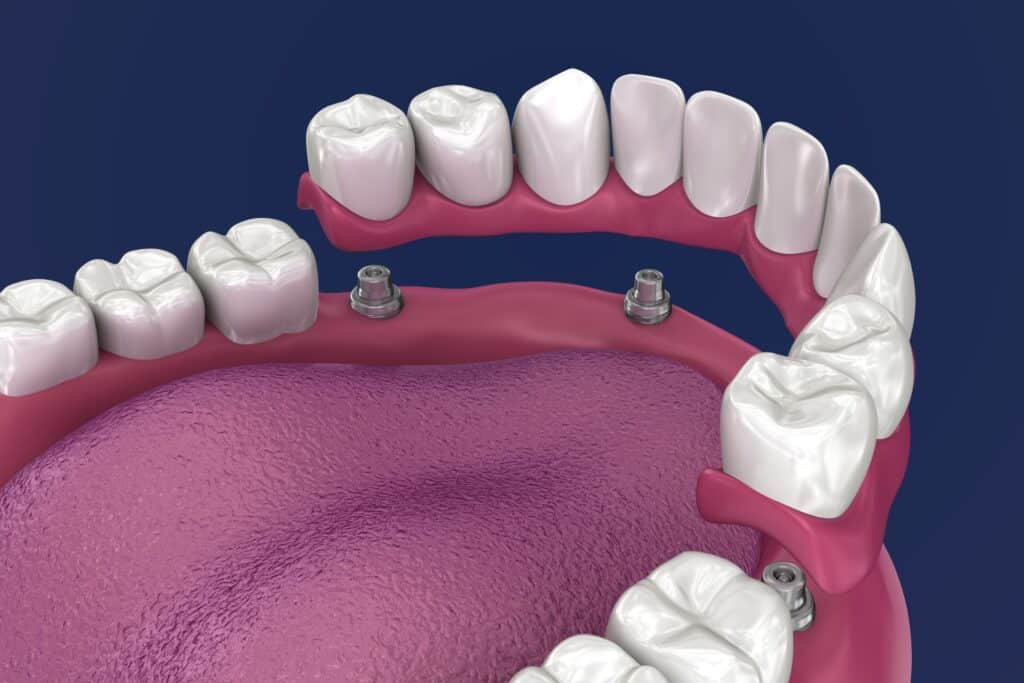
Wedgewood Dental offers tooth extraction in Rolla alongside dental implant placement, so the discussion about replacement can begin at the same time as the extraction is being planned. For patients who are candidates for implants, understanding the full treatment path ahead of time helps with planning and decision-making.
For patients who are not implant candidates or who prefer alternative options, bridges are an alternative that replaces a missing tooth by anchoring to the adjacent teeth. Each option has trade-offs that are worth understanding before the extraction appointment.
The Role of a Second Opinion
For a tooth where the decision between restoration and extraction is genuinely uncertain, a second opinion is reasonable. Most dentists support this, and it is particularly worth pursuing when the tooth is in a prominent position or when the treatment being recommended is significant in scope or cost.
Dr. Westmoreland encourages patients to ask questions and understand the reasoning behind treatment recommendations. A patient who understands why a tooth is being recommended for extraction is in a much better position to make a decision they feel confident about.
About Dr. Westmoreland and Wedgewood Dental
Dr. Linda K. Westmoreland (DDS) is the founder of Wedgewood Dental, serving the communities of Rolla and Salem, Missouri, for over 20 years. The practice offers a full range of restorative, surgical, and cosmetic services, including root canal therapy, oral surgery, tooth extraction, and dental implants. Wedgewood Dental is in-network with most major insurance carriers and offers affordable payment plans. The $89 new patient special includes images and a full exam for patients without insurance.
Book an Appointment at Wedgewood Dental
If you have a tooth that is damaged and are not sure whether it can be saved, call Wedgewood Dental in Rolla at (573) 368-7325 or Salem at (573) 729-7701, or request a consultation online.
Request an appointment online at Wedgewood Dental to discuss restoration and extraction options with a Rolla, MO dentist.