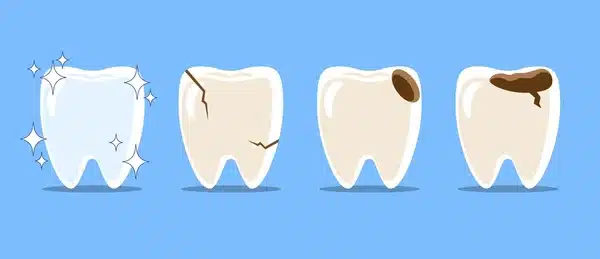
Do you feel a sharp zing when you drink cold water or bite into ice cream, but your dentist says you do not have a cavity? Tooth sensitivity to cold can be frustrating, especially when there is no obvious decay to blame.
At Wedgewood Dental, this is a common concern among patients. If you are searching for a trusted Dentist Rolla MO residents rely on, understanding the possible causes of cold sensitivity can help you take the right steps toward relief.
Why Do Teeth React to Cold?
Inside each tooth is a soft inner layer called the pulp, which contains nerves and blood vessels. The pulp is protected by enamel on the outside and dentin beneath it. When enamel wears down or gums recede, dentin can become exposed.
Dentin contains tiny microscopic tubules that lead directly to the nerve of the tooth. When cold temperatures reach these tubules, the nerve reacts quickly, causing that sudden sharp sensation.
If there is no cavity present, several other factors could be contributing to your discomfort.
Gum Recession
One of the most common causes of cold sensitivity without decay is gum recession. When gums pull back from the teeth, they expose the root surface. Unlike the crown of the tooth, the root is not protected by enamel.
Common reasons for gum recession include:
- Aggressive brushing
- Gum disease
- Natural aging
- Teeth grinding
- Tobacco use
Exposed roots are more sensitive to temperature changes, especially cold foods and beverages.
Enamel Wear
Enamel is the protective outer layer of the tooth. Over time, it can wear down due to:
- Acidic foods and drinks
- Frequent consumption of soda or citrus
- Acid reflux
- Teeth grinding
- Using a hard bristled toothbrush
When enamel becomes thinner, cold sensations reach the inner layers of the tooth more easily.
Teeth Grinding or Clenching
Grinding or clenching your teeth, especially at night, can gradually wear down enamel and create tiny cracks in the surface of your teeth.
These small cracks may not be visible to the naked eye but can still allow cold temperatures to reach sensitive areas.
If you frequently wake up with jaw soreness or headaches, grinding may be contributing to your sensitivity.
Recently Placed Dental Work
If you recently had a filling, crown, or whitening treatment, temporary sensitivity can occur.
Cold sensitivity after dental treatment is usually mild and short term. However, if discomfort persists beyond a few weeks, it is important to follow up with your dental provider.
A Dentist Rolla MO patients trust can evaluate whether the restoration needs adjustment.
Tooth Cracks
Small cracks in a tooth can cause sensitivity even when no cavity is present. These cracks may be caused by:
- Biting hard foods
- Trauma
- Long term grinding
- Sudden temperature changes
Cracked teeth may not always be visible on X-rays. A clinical exam is often needed to identify the issue.
Sinus Pressure
Surprisingly, sinus congestion can sometimes cause tooth sensitivity. The roots of upper teeth are located close to the sinus cavities. When sinuses become inflamed due to infection or allergies, pressure can radiate to nearby teeth.
If your sensitivity is accompanied by facial pressure, congestion, or headache, sinus issues may be involved.
Whitening Sensitivity
Teeth whitening products can temporarily increase sensitivity, especially to cold. Whitening agents open microscopic pores in enamel to remove stains, which can make nerves more reactive for a short period.
Using desensitizing toothpaste and avoiding very cold beverages during this time can help.
How to Reduce Cold Sensitivity
Fortunately, there are effective ways to manage sensitivity.
Use Desensitizing Toothpaste
Specially formulated toothpaste can help block the tubules in dentin and reduce nerve response over time.
Switch to a Soft Toothbrush
Brushing too hard can worsen enamel wear and gum recession. Use gentle pressure and a soft bristled brush.
Avoid Acidic Foods
Limiting acidic beverages and rinsing with water after consuming them can help protect enamel.
Wear a Nightguard
If grinding is the cause, a custom nightguard can reduce pressure and prevent further enamel damage.
Schedule Regular Checkups
Professional evaluation ensures there is no hidden issue contributing to your symptoms.
When Should You See a Dentist?
Occasional mild sensitivity may not indicate a serious issue. However, you should schedule an appointment if:
- Sensitivity persists for more than a few days
- The pain becomes sharp or intense
- You notice gum recession
- Sensitivity affects daily eating or drinking
- You suspect a crack
Even without a cavity, ongoing discomfort deserves attention.
Finding the Right Solution
Tooth sensitivity to cold without a cavity can feel confusing, but it is usually manageable once the underlying cause is identified. Whether the issue is enamel wear, gum recession, grinding, or sinus pressure, early evaluation helps prevent further damage.
If you are experiencing cold sensitivity and want answers, contact Wedgewood Dental at (573) 368-7325. A caring Dentist Rolla MO residents rely on can evaluate your symptoms, identify the cause, and recommend the right treatment to restore comfort and protect your smile.