Losing a front tooth changes things fast. It affects how you speak, how you chew, and, honestly, how comfortable you feel smiling in public. If you’ve recently lost one or are facing an extraction, you’re probably wondering whether a dental implant can genuinely replace it, or whether it will look obvious and feel off.
The short answer is yes. A single dental implant can replace a front tooth in a way that looks and functions like the real thing. But there are a few things worth understanding before you book your appointment.
Why Front Tooth Replacements Are Held to a Higher Standard
Back molars are hidden. Nobody’s inspecting them when you talk or smile. Front teeth are different. They’re visible in every conversation, every photo, every meal eaten with other people.
That’s why a front tooth implant requires more precision than a rear implant. The crown has to match the shape, color, and translucency of your surrounding teeth. The gum line has to look natural. Even small mismatches get noticed.
When it’s done well, though, most people sitting across from you won’t be able to tell the difference.
How a Single Dental Implant Works
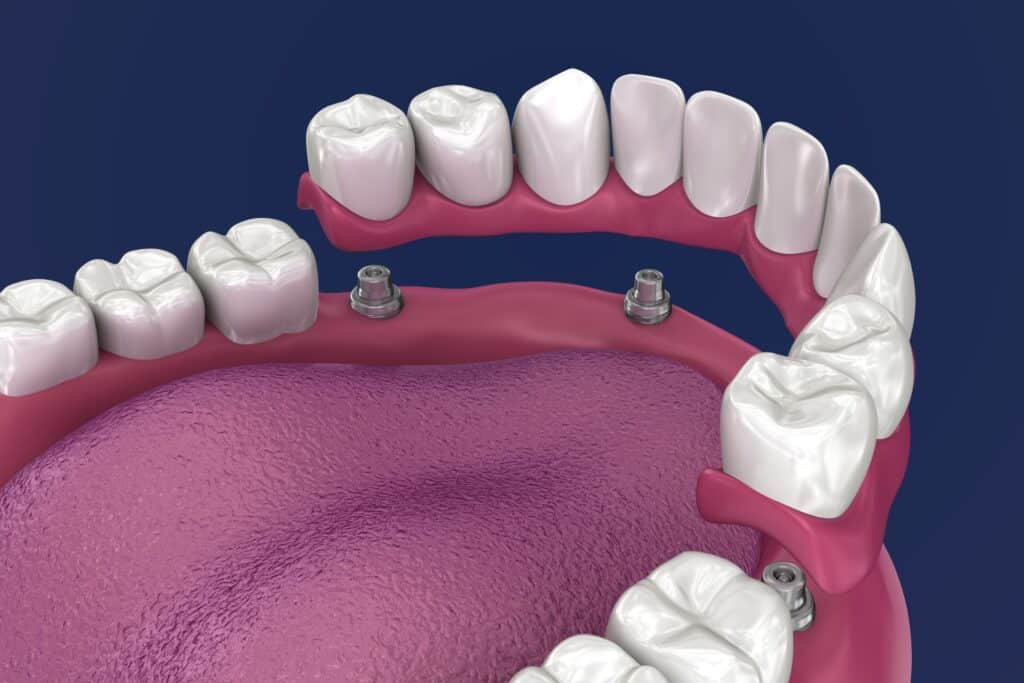
An implant replaces both parts of a missing tooth: the root and the visible crown.
Here’s how the process works:
The titanium post is placed into your jawbone during a minor surgical procedure. This acts as the new root. Over the next few months, the bone grows around it through a natural process called osseointegration. This is what gives the implant its stability.
The abutment connects the post to the crown. It sits just above the gum line.
The crown is the part you actually see. At Wedgewood Dental in Rolla, MO, the team uses digital impressions to create a crown matched precisely to the color and shape of your other teeth.
The whole process takes a few months from start to finish. Most of that time is healing, not treatment.
What Makes Front Tooth Implants Look Natural
This is the part most patients are most curious about, and rightly so.
Three things determine how natural a front tooth implant looks:
Crown color and shape. A skilled dentist matches the porcelain crown to the shade of your surrounding teeth. Because front teeth have some translucency to them, getting this right matters more than it does for back teeth.
Gum tissue. The gum around a front implant needs to frame the crown the same way it frames a natural tooth. If the gum recedes or doesn’t heal evenly, it can look off. This is one reason the placement technique and follow-up care both matter.
Implant positioning. The angle and depth of the titanium post affects how the finished crown sits. Placing an implant too shallow or at the wrong angle creates problems that are hard to fix later.
When these three things are handled carefully, the result is a tooth that blends in rather than standing out.
Are You a Candidate for a Front Tooth Implant?
Most healthy adults with a missing front tooth are candidates. A few things your dentist will check:
Jawbone density. The implant needs enough bone to anchor into. If bone loss has occurred after extraction (which starts within weeks), a bone graft may be needed first. This is common and adds time to the process but doesn’t disqualify you.
Gum health. Active gum disease needs to be treated before implant placement.
Overall health. Certain conditions and medications can affect healing. Your dentist at Wedgewood Dental will review your health history during your consultation.
Age matters too. Implants are generally not placed in younger patients whose jaws are still developing. For most adults, though, there’s no upper age limit.
How a Dental Implant Compares to Other Options
You have a few alternatives for a missing front tooth. Here’s a quick honest look at each:
A dental bridge uses the two teeth on either side of the gap as anchors. It works and looks reasonable, but those anchor teeth have to be filed down to support the bridge. You’re affecting healthy teeth to replace a missing one.
A removable partial denture is less expensive upfront. It’s also removable, which some patients find uncomfortable or inconvenient, particularly for a front tooth.
A dental implant in Rolla, MO replaces the missing tooth without touching the teeth beside it. It’s permanent, it preserves the jawbone, and it functions like a natural tooth. The cost is higher, but so is the long-term value.
For most patients replacing a single front tooth, an implant is the option that holds up best over time, both functionally and aesthetically.
What to Expect After the Implant Is Placed
Recovery from the surgical stage is typically mild. Some swelling and tenderness in the first few days is normal. Most patients return to regular activity within a day or two.
You’ll have follow-up visits during the healing phase. Once osseointegration is confirmed, usually around three to six months after placement, the abutment and crown are added. After that, care is straightforward: brush, floss, and keep your regular dental appointments.
With proper care, a dental implant can last decades.
Book a Consultation at Wedgewood Dental in Rolla, MO
If you’re missing a front tooth or facing an extraction, a conversation with the team at Wedgewood Dental is the right first step. They’ll review your bone health, walk you through what the process looks like for your specific situation, and answer any questions you have before anything is decided.
Call Wedgewood Dental in Rolla, MO at (573) 368-7325 to book your dental implant consultation. The office is located at 713 Salem Avenue, Suite A, Rolla, MO 65401.