A cracked tooth is easy to put off. It is not always painful, it is not always visible, and it is tempting to assume that if it is not bothering you, it can wait. But a crack in a tooth does not stay the same. It progresses, and often quietly. If you have noticed a crack or your dentist in Rolla, MO has flagged one at a recent visit, here is what you need to understand before deciding to leave it alone.
It Is Rarely as Small as It Looks
The Surface Does Not Tell the Whole Story
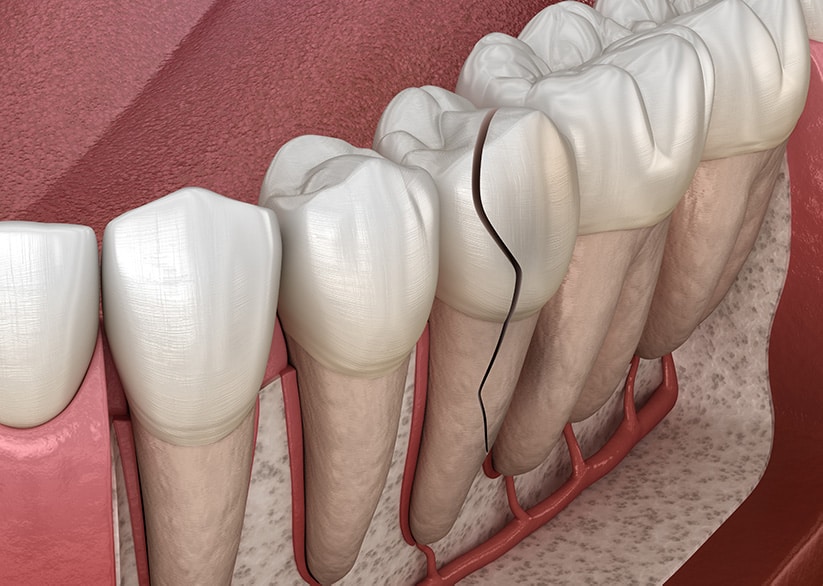
What you see on the outside of a tooth is only part of the picture. A crack that appears minor on the enamel surface can already extend deeper into the dentine or toward the pulp without producing any obvious symptoms along the way.
Enamel is the hardest substance in the human body, but it is not flexible. When it cracks, the damage runs in a specific direction and depth that is impossible to judge with the naked eye. Two cracks that look identical on the surface can have very different implications depending on where they end.
You cannot self-monitor a Crack at Home
Assessing the true extent of a crack requires a clinical examination with magnification, specific lighting, bite tests, and, in many cases, dental X-rays. There is no reliable way to judge how deep a crack goes from home, which is why waiting and watching is rarely a sound strategy when a crack has been identified.
What Is Actually Happening Inside the Tooth
Every Bite Pushes It Further
When you bite down on a cracked tooth, the two sides of the crack flex slightly against each other under the pressure of chewing. Over time, that repeated movement drives the crack further into the tooth structure, often without any dramatic increase in symptoms.
This is why a crack that seemed minor for weeks or months can suddenly worsen after one firm bite on something hard. The tooth did not fail without warning. The crack had been progressing gradually, and that final bite simply pushed it past a tipping point.
Bacteria Do Not Need a Large Opening
Even a hairline crack gives bacteria a route into the inner layers of the tooth. Bacteria that would normally be kept out by intact enamel can work their way into the dentine through a crack, and from there they can eventually reach the pulp, which is the soft tissue at the core of the tooth containing the nerves and blood vessels.
Once bacteria reach the pulp, infection develops inside the tooth. At that stage, a root canal is typically needed to clear the infection and save the tooth. In some cases, the infection spreads to the surrounding bone before any significant pain has appeared. What started as a small crack has now become a significantly more involved clinical situation.
The Pain Pattern Is Easy to Misread
Cracked teeth do not always cause a constant ache. The discomfort tends to be sharp and brief, triggered by biting in a specific direction or by the release of pressure immediately after chewing. Cold sensitivity that lingers a little longer than usual is another pattern commonly associated with cracks.
Because the pain comes and goes rather than being persistent, it is easy to convince yourself the tooth is fine between meals. That intermittent pattern is actually quite characteristic of a cracked tooth and is a reason to have it assessed promptly, not a reason to keep waiting.
Not All Cracks Are the Same
Craze Lines
These are tiny, shallow cracks that affect the outer enamel surface only. They are very common and are generally considered a cosmetic concern rather than a structural one. Most craze lines do not require active treatment beyond periodic monitoring at routine checkups.
Fractured Cusp
A fractured cusp involves a piece of the chewing surface breaking away or becoming at risk of doing so. This type of crack usually does not affect the pulp and can often be managed with a crown to protect the remaining tooth structure and restore full function.
Cracked Tooth
A crack that runs from the chewing surface downward toward the root is a more serious finding. If it is caught before it reaches the pulp, a crown placed promptly may be sufficient to stop its progression and protect the tooth long term. If the pulp is already involved, a root canal followed by a crown is typically the appropriate course of treatment.
Split Tooth
A split tooth is the result of a crack that has progressed to the point where the tooth has divided into two distinct segments. Saving the entire tooth is generally not possible at this stage. Depending on where the split is located, a dentist in Rolla may be able to preserve one portion of the tooth, but full restoration is no longer an option.
Vertical Root Fracture
This type of crack begins in the root and travels upward through the tooth. It is particularly difficult to detect because symptoms are often minimal for an extended period of time. Vertical root fractures frequently result in extraction, which is one of the strongest arguments for having any identified crack assessed and treated before it has the opportunity to develop further.
Why Timing Makes a Real Difference
Early Treatment Is Simpler and Less Costly
A crack that is caught and treated before it reaches the pulp can often be managed with bonding or a crown. That is a straightforward appointment with a predictable outcome and a tooth that continues to function normally for years to come.
Waiting Changes Everything
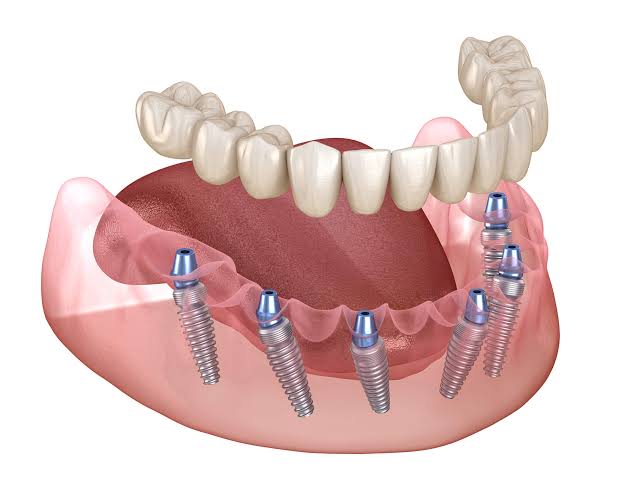
Once a crack reaches the pulp, causes an infection, or results in a split, the treatment required becomes significantly more complex, and the cost increases considerably. In some cases, the tooth cannot be saved at all, and replacement options such as an implant or bridge become the next conversation.
The difference between treating a crack early and treating it after it has progressed is very often the difference between keeping your natural tooth and losing it entirely.
What to Do Right Now
Avoid chewing hard or crunchy foods on the affected side until the tooth has been professionally assessed. Biting into ice, hard candies, or very crusty bread with a cracked tooth increases the risk of the crack extending before any protective treatment can be placed.
Do not rely on the absence of pain as a sign that everything is fine. As outlined above, cracked teeth are often asymptomatic or produce only intermittent discomfort right up until the point where something more significant occurs. Booking an appointment promptly is the most sensible step you can take.
Book Your Appointment at Wedgewood Dental in Rolla
At Wedgewood Dental, we take cracked teeth seriously and make sure every patient walks away with a clear understanding of what is happening and what their options are. If you have noticed a crack, been told about one at a previous visit, or have been experiencing any of the symptoms described above, do not wait for it to become a larger problem. Call us at (573) 368-7325.
If you are experiencing sudden or severe tooth pain, do not wait for a scheduled appointment. Learn more about our Emergency Dentistry services and how we can help when you need care right away.