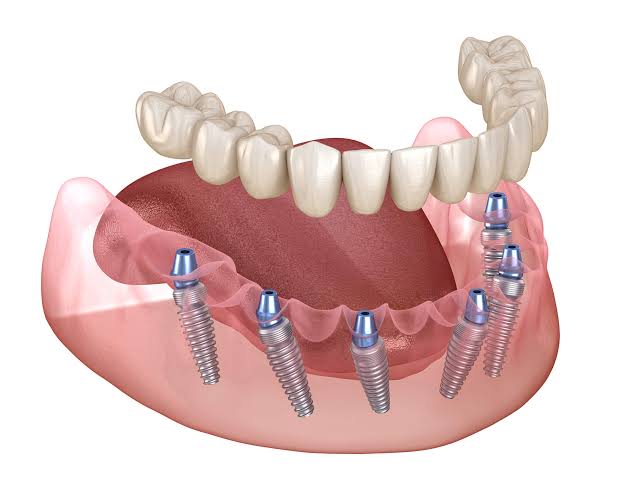
Dental restorations are built to last. A well-placed crown, filling, or implant from a Rolla MO dentist is designed to hold up for years with proper care. But restorations do not exist in a vacuum. The habits you bring to the table every day have a direct impact on how long they last. Some patients are surprised to find that their dental work needs attention far sooner than expected. In most cases, there is a specific reason why.
The Assumption Most Patients Make
Restored Teeth Are Not Invincible
One of the most common misconceptions is that once a tooth has been crowned or filled, it is somehow stronger or more protected than before. The restoration protects what remains of the natural tooth, but it is still subject to the same forces, pressures, and habits that damaged the tooth in the first place.
The Habits That Caused the Problem Often Continue
If the underlying habits that led to a filling or crown are not addressed, those same habits will eventually affect the new restoration. Understanding what shortens the life of dental work is the first step toward making it last.
Habits That Wear Down Crowns
Grinding and Clenching
Bruxism, the habit of grinding or clenching teeth during sleep or periods of stress, is one of the leading causes of premature crown failure. The sustained pressure and friction generated by grinding can chip porcelain, crack the underlying tooth structure beneath the crown, and loosen the cement that holds the crown in place.
Many patients who grind are not aware of it until a dentist identifies the signs. A custom night guard is a straightforward protective measure that can significantly extend the life of crowns and prevent further damage to the surrounding teeth.
Using Teeth as Tools
Opening packaging, tearing tags, holding objects, or biting fingernails all place off-axis pressure on teeth and restorations that they are not designed to handle. Crowns in Rolla, MO, are fabricated to withstand normal biting and chewing forces. Lateral and twisting forces from these habits are a different matter entirely and can crack or dislodge a crown over time.
Chewing Ice and Hard Foods
Ice is one of the most consistently damaging things a person can chew. The hardness and the temperature combined create a significant risk of fracture for both natural teeth and restorations. Hard candies, popcorn kernels, and very crusty bread carry similar risks and are worth avoiding or approaching carefully when you have crowns present.
Habits That Shorten the Life of Fillings
Poor Oral Hygiene at the Margins
A filling seals the area where decay was removed, but the margin where the filling meets the natural tooth is a vulnerable spot. If plaque is allowed to build up consistently at that edge, bacteria can work their way underneath the filling over time, leading to secondary decay beneath the restoration.
Thorough brushing along the gumline and between teeth, combined with regular flossing, keeps those margins as clean as possible and reduces the risk of decay developing around existing dental fillings in Rolla.
A High-Sugar Diet
Fillings do not decay, but the natural tooth structure surrounding them does. A diet consistently high in sugar feeds the bacteria responsible for decay and increases the risk of new cavities forming adjacent to existing restorations. Reducing sugar intake and rinsing with water after sugary foods or drinks helps protect the teeth around your fillings.
Skipping Regular Checkups
Fillings are checked at routine dental visits for signs of wear, cracking, or margin breakdown. Issues caught early at a checkup can be addressed before they progress to a point where the filling needs complete replacement or the underlying tooth requires more significant treatment. Skipping appointments removes that early detection opportunity entirely.
Habits That Compromise Implants
Smoking After Implant Placement
Smoking is one of the most significant risk factors for implant failure, particularly in the period following placement. Tobacco use restricts blood flow to the gum tissue and bone, which are both critical to the osseointegration process where the implant fuses with the jaw bone. Patients who smoke after implant placement face a considerably higher risk of the implant failing to integrate properly.
Neglecting Gum Health
Implants do not get cavities, but the gum tissue and bone surrounding them are still susceptible to infection. Peri-implantitis is an inflammatory condition affecting the tissue around an implant, similar in many ways to gum disease around natural teeth. Left unmanaged, it can lead to bone loss around the implant and eventually implant failure.
Consistent brushing, flossing around the implant, and attending regular cleanings are just as important after implant placement as they are for natural teeth.
Skipping the Follow-Up Appointments
The period following implant placement involves a series of follow-up visits to monitor healing and confirm that integration is progressing as expected. Skipping these appointments means that any early signs of complications go undetected until the situation has had time to develop further.
What All Three Have in Common
The Dentist Can Only Do So Much
A skilled Rolla, MO dentist can place a restoration with precision and care, but its long-term success depends significantly on what happens after you leave the office. The quality of a restoration and the habits that surround it work together to determine how long it lasts.
Small Changes Make a Long-Term Difference
Most of the habits outlined above are not dramatic or difficult to change. Wearing a night guard, cutting back on ice chewing, brushing thoroughly at the margins, and attending regular checkups are all manageable steps that collectively make a meaningful difference to the lifespan of your dental work.
Book Your Appointment at Wedgewood Dental in Rolla
At Wedgewood Dental, we want every restoration we place to last as long as possible, and we take the time to make sure every patient understands how to protect their investment. Whether you are due for a checkup, have questions about an existing crown or filling, or are considering an implant, our team in Rolla is here to help.
Call us at (573) 368-7325.